

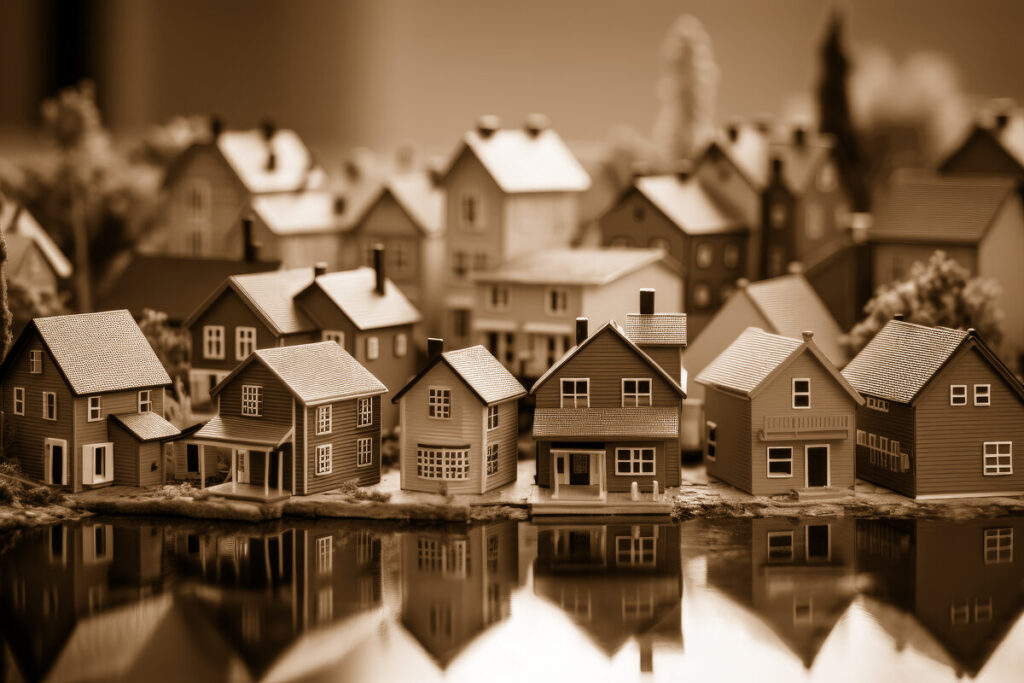
Nestled in the northern stretch of Burlington, North Burlington is a neighborhood that has quietly written its own chapter of the city’s rich story. While larger parts of Burlington may capture headlines, it is communities like North Burlington—bordered by iconic roads like North Church Street, Edgewood Avenue, and Rauhut Street—that keep the city’s heartbeat steady. As a longtime resident, I've watched North Burlington grow and change, but it’s the neighborhood’s proud history and steadfast sense of community that makes it truly special.
From Farmland to Neighborhood: Early Origins
The origins of North Burlington trace back to the late 19th and early 20th centuries, during a period when Burlington itself was transitioning from its earlier identity as “Company Shops.” Burlington was built around the railroad, and as the city blossomed, farmland began sprouting new homes, churches, and businesses northward from the main rail line.
The name “North Burlington” was simply descriptive at first: it referred to the growing residential area north of downtown’s center, where bustling Front Street intersected with the city’s early commerce. As the town spread out from its original railroad-oriented hub, these once-separate communities melded into the greater fabric of Burlington.
Neighborhood Naming and Community Identity
Unlike some neighborhoods with fancy monikers, North Burlington’s name has always been a matter-of-fact reflection of its geography. Timeless streets like Flora Avenue, Hillcrest Avenue, and Sellars Mill Road became reference points for generations of locals. Over time, residents began to identify with the neighborhood not just by location but by the shared experience of its leafy, laid-back charm and friendly, familiar faces.
Historical Milestones in North Burlington
North Burlington’s early identity was shaped by a handful of key institutions and milestones:
- Sellars Mill — Perhaps the most iconic historic site in North Burlington, Sellars Mill (now remembered in Sellars Mill Road) was part of Burlington’s vital textile industry. The mill complex, which began in the early 20th century, provided hundreds of jobs and helped define the neighborhood’s blue-collar character for decades.
- Hillcrest Cemetery — One of Burlington’s oldest burial grounds, Hillcrest Cemetery is a testament to the area’s deep roots. Veterans, founding families, and ordinary citizens at rest here speak to the generations who have called North Burlington home.
- Early Churches — Houses of worship such as Northside Presbyterian, First Christian UCC, and Tabernacle Baptist became both spiritual and social centers, hosting events that anchored neighborhood life.
Throughout the mid-20th century, these institutions drew people together, fostering a sense of belonging that persists to this day.
Landmarks and Buildings with Stories to Tell
Strolling through North Burlington, it’s easy to spot historic homes—some dating back to the 1920s and 1930s—along tree-lined avenues like Edgewood and Flora. With their wide front porches and solid brick construction, these houses are living reminders of a time when neighbors waved from the stoop and children played in the streets until twilight.
- Sellars Mill Dam and Park — The old millpond, now a tranquil setting at Sellars Mill Park, stands as a symbolic link to North Burlington’s industrial past. The chirp of birds and buzz of picnickers offer a contrast to the historic roar of textile machines.
- Municipal Institutions — The evolution of local schools such as Hillcrest Elementary (established in the 1950s) marked North Burlington’s shift from rural outpost to a fully-fledged neighborhood. Hillcrest Elementary welcomed generations of children, becoming a focal point for local families.
How North Burlington Has Evolved
North Burlington remained a steady, middle-class enclave through the 1970s and 80s, when Burlington’s textile economy was still booming. Manufacturers like Burlington Industries provided steady jobs, and the area’s convenient access to Church Street ensured close connections to both downtown Burlington and nearby Elon University.
Over the past few decades, North Burlington has undergone subtle but steady transformation:
- The decline of the textile industry led to the closure or repurposing of historic mills, opening spaces for new businesses and apartment communities.
- Renovations have preserved many older homes, while new constructions blend seamlessly with the classic ranches and bungalows.
- A wave of small businesses, local restaurants, and community centers along North Church Street has reinvigorated commercial life, turning familiar intersections into vibrant hubs once more.
- Parks like Sellars Mill Park and nearby City Park give residents green spaces to gather, host festivals, and celebrate local heritage.
North Burlington Today: A Special Place to Call Home
What truly sets North Burlington apart is the enduring spirit of its people. The neighborhood remains home to multigenerational families, newly arrived young professionals, and retirees who have watched nearly a century of evolution unfold from the same front porch. Block parties, church suppers, and holiday parades are the rhythm of North Burlington life.
Walk along Edgewood, visit the historic cemetery off Rauhut, or spend a lazy afternoon by Sellars Mill Pond, and you’ll quickly see why so many call this corner of Burlington home. The history is written in red brick, flowing water, and century-old trees—but the heart of North Burlington lies, as ever, with those who care for it.
Visiting North Burlington: A Journey into Burlington’s Past
For those looking to learn more, North Burlington remains an inviting place to explore:
- Take a self-guided walk or bike ride past storied homes and the surviving structures of Sellars Mill.
- Visit Hillcrest Cemetery for a quiet moment of reflection and a tangible connection to Burlington’s earliest residents.
- Attend a neighborhood event at a local church, or just stop in one of the many time-honored diners or coffee shops along North Church Street for a taste of local flavor.
In North Burlington, past and present walk hand in hand. Its history is lived, not just remembered—and its best days are still being written, one neighbor at a time.